Gum Disease Symptoms and Treatment: Must-Have Tips to Stop Bleeding Gums
Gum disease is a common yet often overlooked oral health issue that affects millions of people worldwide. One of the most noticeable signs of gum disease is bleeding gums, which can be both alarming and uncomfortable. Understanding the symptoms and available treatments is essential to prevent more serious complications, including tooth loss and pyorrhea, a severe form of gum infection. In this article, we will explore the symptoms of gum disease, effective treatments, and vital tips to manage and stop bleeding gums.
Recognizing Gum Disease and Bleeding Gums Symptoms
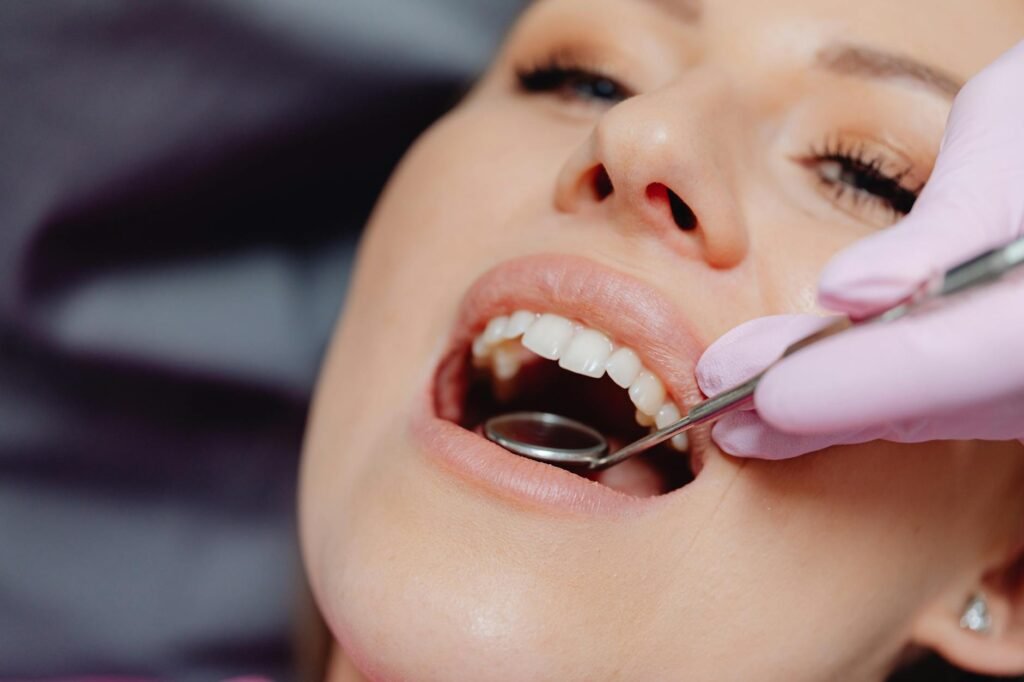
Gum disease, medically known as periodontal disease, begins as mild inflammation of the gums caused by plaque buildup on teeth. If left untreated, it can progress into more severe forms such as gingivitis and periodontitis. Bleeding gums are often the first and most common symptom signaling the onset of gum problems.
Early Signs of Gum Disease
– Bleeding Gums: Bleeding during brushing or flossing is a red flag. Healthy gums shouldn’t bleed easily.
– Swollen or Puffy Gums: Inflammation can make gums appear red and swollen.
– Bad Breath: Persistent bad breath or a bad taste in the mouth often accompanies gum disease.
– Tenderness or Pain: Gums may feel sore, especially when eating or touching them.
– Receding Gums: Over time, the gum line may recede, exposing more of the tooth or its root.
If these symptoms are ignored, gum disease can advance to pyorrhea, characterized by pus formation, loose teeth, and potentially severe bone loss.
What Is Pyorrhea? Understanding the Severity of Gum Disease
Pyorrhea is an advanced stage of periodontal disease where the infection has deeply affected the gums and underlying bone structure. This condition results in the destruction of the gums, periodontal ligament, and the alveolar bone that supports the teeth. If left untreated, pyorrhea can cause teeth to loosen and eventually lead to tooth loss.
It is crucial to seek timely intervention to find an effective pyorrhea cure and prevent permanent damage to oral health.
Effective Treatments for Gum Disease and Bleeding Gums
Fortunately, gum disease is highly treatable, especially when detected early. Treatment varies depending on the stage of the disease but generally focuses on removing plaque and tartar buildup, reducing inflammation, and promoting gum healing.
Professional Dental Treatments
– Scaling and Root Planing: This deep-cleaning procedure removes plaque and tartar from above and below the gum line. It smooths the root surfaces to help gums reattach to teeth.
– Antibiotic Therapy: Sometimes both topical and oral antibiotics are prescribed to eliminate bacterial infection.
– Surgical Intervention: In severe cases like pyorrhea, flap surgery or bone grafting may be necessary to restore damaged tissue and bone.
Home Care to Stop Bleeding Gums
Alongside professional treatments, good oral hygiene at home plays a pivotal role in managing gum disease. Here are some must-have tips to help stop bleeding gums:
1. Brush Gently but Thoroughly: Use a soft-bristled toothbrush and brush twice a day with fluoride toothpaste to avoid irritating sensitive gums.
2. Floss Daily: Flossing removes plaque and food particles between teeth that brushing cannot reach.
3. Use Mouthwash: Antiseptic mouthwashes can help reduce plaque and control bacteria responsible for gum infection.
4. Stay Hydrated: Drinking water promotes saliva production which naturally cleanses the mouth.
5. Avoid Tobacco: Smoking and tobacco use can worsen gum disease and hinder healing.
6. Eat a Balanced Diet: Foods rich in vitamins C and D help strengthen gums and improve immunity.
7. Regular Dental Checkups: Routine professional cleanings and exams help catch gum disease early.
Natural Remedies and Lifestyle Changes for Gum Health
Besides conventional treatments, some natural remedies may support gum healing and stop bleeding. Rinsing with warm salt water, applying aloe vera gel, or using neem-based products has shown benefits in reducing inflammation and fighting bacteria. However, these should complement—not replace—professional dental care.
Lifestyle modifications such as managing stress, cutting down on sugary foods, and maintaining overall health also contribute to robust gum health.
Conclusion: Take Action Early for Healthy Gums
Bleeding gums are more than just a nuisance—they are a warning sign from your body to take better care of your oral health. Gum disease, if untreated, can lead to painful conditions like pyorrhea and irreversible damage. By recognizing symptoms early, seeking professional treatment, and adopting proper daily hygiene habits, you can effectively manage gum disease and stop bleeding gums in their tracks.
Don’t wait for discomfort to worsen—consult your dentist at the first sign of trouble and make gum health a priority. Maintaining healthy gums is essential not only for your smile but for your overall well-being.