# Myths vs Real Facts for Quicker Decisions
Making quick decisions can often feel overwhelming, especially when myths and misconceptions cloud our judgment. Whether you’re deciding on health routines, financial moves, or everyday choices, separating myths from real facts is essential. Let’s explore how understanding the truth behind common misconceptions can help you make quicker, more confident decisions — with a special look at the often-misunderstood topic of dental cleaning.
Why Quick Decisions Matter
 In today’s fast-paced world, the ability to make decisions swiftly can save time, reduce stress, and improve outcomes. However, quick decisions shouldn’t be rushed guesses based on false information. Instead, they should be informed choices grounded in reality.
Common Myths That Slow Down Decision-Making
Misconceptions often paralyze us with doubt. Here are some examples of myths that typically delay quick decisions:
- Myth 1: More information always leads to better decisions.
While information is critical, too much can cause analysis paralysis. Knowing the right facts is more important than knowing everything.
- Myth 2: Quick decisions are always impulsive and risky.
Speed doesn’t equate to recklessness. With the right knowledge, quick decisions can be both smart and efficient.
- Myth 3: Experts always provide the “only” right answer.
Expert advice is valuable, but sometimes multiple valid options exist. Understanding the basics empowers you to decide faster.
The Role of Real Facts in Enabling Quicker Decisions
Facts simplify complexity. When you have accurate, reliable information, the fog of uncertainty clears. Here’s how real facts improve decision speed:
- Reduce uncertainty: Knowing the truth shrinks the realm of possibilities.
- Build confidence: Facts provide a foundation to trust your choices.
- Cut through noise: Real facts help you discard irrelevant or false data quickly.
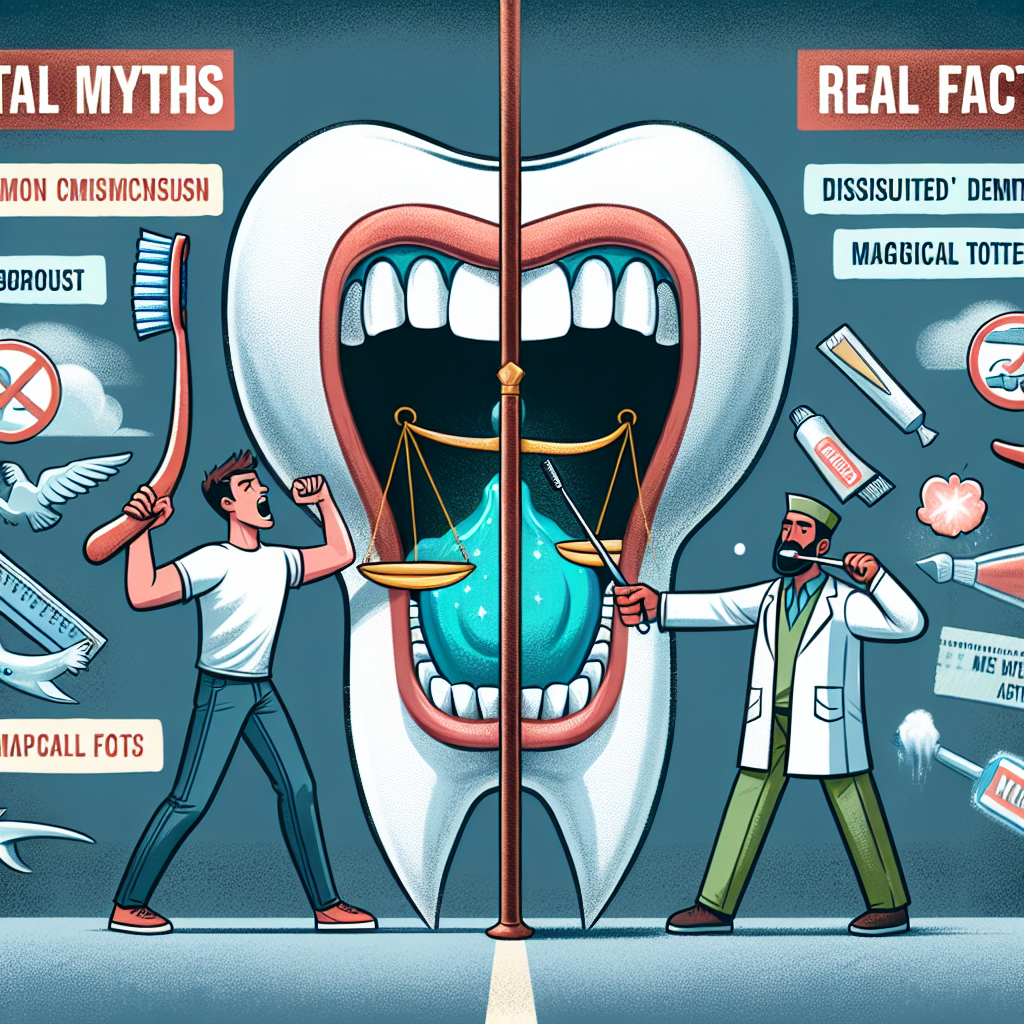
Case Study: Dental Cleaning Myths vs Facts
Let's use dental cleaning as a focused example. Dental cleaning is a common preventive practice, yet many myths can cause hesitation or confusion about its necessity and timing.
Myth 1: Dental cleaning is painful and uncomfortable
Fact: Modern dental cleanings are generally painless. Most patients experience only mild discomfort or none at all. Dental professionals use advanced tools and techniques designed for comfort.
Myth 2: You only need a dental cleaning when your teeth feel dirty
Fact: Dental cleanings are preventive, not reactive. Bacteria and plaque can build up without obvious symptoms, leading to serious issues like gum disease and cavities if not addressed early.
Myth 3: Dental cleaning is unnecessary if you brush and floss regularly
Fact: While good oral hygiene at home is crucial, professional cleanings remove tartar—hardened plaque—that you can’t eliminate by brushing or flossing alone.
Myth 4: Dental cleaning damages tooth enamel
Fact: This is false. Dental cleaning is safe and effectively removes harmful deposits without affecting enamel. In fact, regular cleanings help preserve the enamel by preventing decay.
How Knowing the Facts About Dental Cleaning Helps You Decide Faster
Understanding these facts makes it easier to commit to regular dental cleanings without hesitation. Instead of waiting until a problem arises or fearing pain, you can proactively schedule cleanings based on solid knowledge. This quick decision supports your long-term oral health and avoids costly treatments later.
Tips to Make Quicker Decisions in Any Area
Whether dealing with dental care or other choices, here are some practical ways to speed up your decision-making:
1. Identify credible sources: Trust information from experts, peer-reviewed studies, and reputable organizations.
2. Separate myths from facts: Question common beliefs and verify before accepting.
3. Simplify your options: Narrow down choices to a manageable few.
4. Set a decision deadline: Avoid endless deliberation by giving yourself a time limit.
5. Trust your instincts when informed: After gathering facts, your intuition can help finalize the choice.
Conclusion
Quicker decisions don’t have to mean careless or rushed. By distinguishing myths from real facts, especially in areas like dental cleaning, you equip yourself to make confident, timely choices. This clarity not only saves time but also leads to better outcomes — whether for your health, finances, or everyday life. Embrace facts, dispel myths, and watch how much easier decision-making becomes.
---
Remember, knowledge is power — and when it comes to making decisions, the right facts are your greatest ally.